
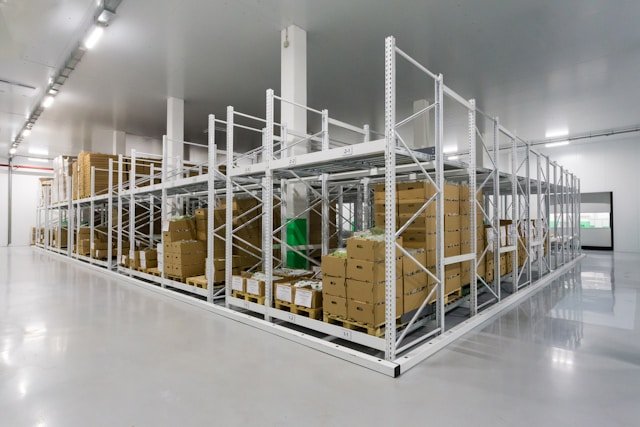
Warehouse Design plays a crucial role in modern logistics, directly influencing efficiency, safety, and overall business performance. A well-planned warehouse layout supports smooth workflows, maximizes available space, and reduces operational risks. Behind effective warehouse solutions is often an experienced professional whose technical knowledge, planning skills, and practical insight bring structure and purpose to complex storage environments.
Early Life and Background
Michael Thompson was born and raised in Chicago, Illinois, a major logistics and transportation hub. Growing up near industrial zones and distribution centers sparked an early curiosity about how goods move from one place to another. His family valued problem-solving and practical learning, encouraging him to explore mechanical systems and spatial planning. These early experiences laid the foundation for a career focused on Warehouse Design, where structure, flow, and efficiency are essential.
Age and Birth Details
Born in 1984, Michael is now 41 years old, an age that reflects deep industry experience combined with strategic maturity. Years of hands-on work across different warehouse environments shaped his understanding of how operational needs evolve over time. This life experience allows him to approach Warehouse Design with foresight, balancing immediate efficiency with long-term scalability.
Also Read This:- Our Team HearthStats: The People Powering Trusted Game Analytics
Educational Foundations
Michael pursued higher education in industrial engineering, later expanding into supply chain management. His academic background focused on systems optimization, facility planning, and operational efficiency. These disciplines aligned perfectly with Warehouse Design, equipping him with analytical tools to assess space utilization, material flow, and safety requirements. Education provided the technical grounding necessary to transform theoretical concepts into practical warehouse solutions.
Professional Training and Technical Skills
Beyond formal education, Michael completed specialized training in warehouse layout planning, automation systems, and workplace safety standards. He developed technical skills in layout modeling, process mapping, and equipment integration. This training enabled him to design facilities that support modern logistics demands. His technical expertise strengthens every Warehouse Design project by ensuring accuracy, compliance, and efficiency.
Career Beginnings in Logistics and Warehousing
Michael began his career working directly in warehouse operations, managing inventory flow and coordinating logistics teams. These early roles exposed him to daily operational challenges such as congestion, inefficiency, and safety risks. Firsthand experience helped him understand how design decisions affect workers on the floor. This practical insight later became a defining element of his Warehouse Design approach.
Transition to Warehouse Design Specialization
After several years in operations, Michael recognized that many recurring problems stemmed from poor facility planning. He transitioned into specializing in Warehouse Design, focusing on layout optimization and workflow improvement. This shift allowed him to move from reactive problem-solving to proactive facility planning, helping businesses prevent inefficiencies before they occur.
Professional Growth and Key Achievements
Michael’s specialization led to significant professional growth. He contributed to large-scale warehouse redesigns that improved storage capacity, reduced travel time, and enhanced safety standards. His projects delivered measurable productivity gains and cost savings. Recognition from clients and industry peers followed, reinforcing his reputation as a trusted Warehouse Design expert.
Warehouse Design Philosophy and Approach
Michael’s design philosophy centers on efficiency, safety, and adaptability. He believes Warehouse Design should support both people and processes. His approach emphasizes clear workflows, logical storage zones, and scalable layouts that can evolve with business growth. By aligning design decisions with operational goals, he ensures long-term value rather than short-term fixes.
Age and Physical Appearance
At 41, Michael maintains a professional and confident presence that reflects leadership and experience. His practical attire and calm demeanor align with the operational environments he works in. While physical appearance is secondary, his approachable style helps build trust with teams and stakeholders during Warehouse Design projects.
Personal Life and Relationships
Outside of work, Michael values strong personal relationships. He is married and maintains close connections with family and friends who provide support and balance. These relationships help him stay grounded and focused, especially when managing complex Warehouse Design initiatives that require long hours and attention to detail.
Work-Life Balance
Balancing demanding projects with personal well-being is essential in logistics consulting. Michael prioritizes time management, physical activity, and family time to maintain energy and clarity. This balance ensures sustained performance and thoughtful decision-making, which directly benefits his Warehouse Design work.
Also Read This:- Technology Consulting: Turning Business Challenges into Smart Systems
Current Role and Future Vision
Currently, Michael works as a Senior Warehouse Design Consultant, leading projects across distribution and manufacturing sectors. His future vision includes integrating advanced automation and data-driven planning into Warehouse Design practices. He aims to help organizations build smarter, safer, and more adaptable facilities that support long-term growth.
Conclusion
Warehouse Design is a strategic discipline that directly impacts operational success, safety, and productivity. Through education, experience, and a clear design philosophy, professionals like Michael Thompson demonstrate how thoughtful planning transforms warehouse environments. His journey highlights the importance of aligning space, people, and processes to achieve lasting efficiency.
Frequently Asked Questions
What is Warehouse Design?
Warehouse Design involves planning layouts, workflows, and storage systems to improve efficiency and safety.
Why is Warehouse Design important?
It helps maximize space utilization, reduce operational costs, and improve productivity.
Who benefits from effective Warehouse Design?
Businesses, warehouse staff, and logistics teams all benefit from improved workflows and safer environments.
How often should Warehouse Design be reviewed?
Designs should be reviewed when operations change or as businesses grow.
Is Warehouse Design suitable for small warehouses?
Yes, even small facilities benefit from optimized layouts and efficient space planning.
For More Latest Update oneuppress
