

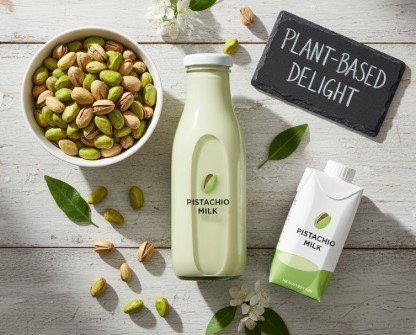
Pistachio milk is a plant-based beverage made from blended pistachios and water. It is becoming increasingly popular due to its rich flavor, clean ingredients, and high nutrient density. As more people move toward healthier and lactose-free options, pistachio milk has carved out a respected spot on supermarket shelves and café menus.
History and Origin of Pistachio Milk
Pistachios have a deep historical presence stretching back thousands of years. Originating in the Middle East, they were once known as the “royal nut,” treasured in ancient Persia and surrounding regions. While pistachios themselves have been loved for centuries, pistachio milk is a relatively new creation. It began gaining attention in the early 2010s when consumers sought unique plant-based milks beyond almond and soy.
Early versions were homemade, simple blends used in traditional recipes. As plant-based diets became mainstream, food innovators recognized the potential in pistachios, transforming them into a creamy milk alternative. Today, it stands as one of the most gourmet and nutritionally appealing non-dairy milks.
Nutritional Profile of Pistachio Milk
One of the primary reasons people gravitate toward pistachio milk is its strong nutritional makeup. Pistachios naturally contain healthy monounsaturated fats, fiber, plant-based protein, and antioxidants such as lutein and zeaxanthin. When blended into milk, these nutrients remain present, offering a beverage that feels indulgent while supporting overall wellness.
Many commercial brands fortify pistachio milk with calcium, vitamin D, vitamin B12, and iron, making it a powerful dairy alternative for vegans and lactose-intolerant individuals. Despite its creamy taste, it often contains fewer calories than sweetened almond or oat milks.
How Pistachio Milk Is Made
Homemade and commercial versions of pistachio milk differ slightly in process but share the same core idea. At home, the milk is made by soaking pistachios, blending them with water, and straining the mixture. This preserves the natural flavor and nutrients.
Commercial producers use advanced blending and filtration methods to achieve a smoother, longer-lasting product. Some add light natural flavors or stabilize the milk to prevent separation. However, the best versions maintain a clean ingredient list with real pistachios as the primary component.
Also Read This:- Discover the Unique Flavors of Soutaipasu: A Culinary Journey
Health Benefits of Pistachio Milk
The health benefits of pistachio milk make it especially appealing. Its heart-healthy fats support cardiovascular function, while antioxidants help protect cells from oxidative stress. Its naturally low sugar levels make it suitable for people monitoring their sugar intake.
Pistachio milk may also assist with gut health, as some versions retain fiber from the nuts. The healthy fats help maintain steady energy levels and may support metabolism. Additionally, the creamy texture satisfies cravings without relying on heavy cream or sweet additives.
Pistachio Milk vs. Other Plant Milks
When compared to popular alternatives, pistachio milk offers a unique profile:
- Almond milk is lighter but less nutrient-dense.
- Oat milk is sweeter but often higher in carbs.
- Soy milk has more protein but a stronger flavor.
- Cashew milk is creamy but typically thinner.
- Coconut milk is flavorful but high in saturated fat.
Pistachio milk sits at the intersection of flavor, creaminess, and nutrition, making it ideal for people seeking a balanced option.
Ideal Uses in a Healthy Diet
The versatility of pistachio milk allows it to blend into countless recipes. It works beautifully in smoothies, lattes, and overnight oats. Its creamy nature also makes it ideal for baking or replacing dairy in sauces and soups. Those following vegan, keto, or lactose-free diets appreciate how easily it integrates into daily meals without compromising taste.
For coffee lovers, pistachio milk is a gem. Its natural creaminess creates rich, smooth lattes without the need for artificial creamers.
Also Read This:-Why Foodies Are Switching to the Best Mushroom Coffee Drinks
Potential Side Effects or Allergies
Despite its many benefits, some individuals may need caution. People with tree-nut allergies should avoid pistachio milk, as even small amounts may trigger reactions. Additionally, drinking excessive amounts might add unnecessary calories to a diet, though this is uncommon due to its moderate calorie content. For most people, it remains a safe, nourishing choice.
Environmental Impact of Pistachio Milk
Compared to thirsty crops like almonds, pistachios require less water and are more environmentally resilient. They thrive in warm climates and can tolerate dry conditions, making pistachio milk a more sustainable option for eco-conscious consumers.
Pistachio cultivation tends to support long-standing agricultural communities, and the trees contribute positively to soil stability. For people wanting an environmentally mindful milk alternative, this option stands out.
Market Trends and Popularity
The rise of wellness culture has propelled pistachio milk into cafés, specialty grocery stores, and home kitchens. Its luxurious feel appeals to consumers seeking something unique beyond ordinary dairy substitutes. Social media trends have also played a major role, showcasing pistachio milk lattes and healthy recipes that highlight its vibrant color and smooth texture.
More brands are now entering the market, increasing availability and making it easier to incorporate pistachio milk into daily routines.
Buying Guide: Choosing Quality Pistachio Milk
When selecting pistachio milk, it’s important to check labels. The best versions contain real pistachios as the main ingredient and avoid artificial flavors or excessive added sugars. Organic or cold-pressed varieties tend to offer cleaner profiles.
Look for products labeled unsweetened if you prefer a natural, low-sugar beverage. For those who use it in coffee, barista-style pistachio milk provides added creaminess and froth.
How to Make Pistachio Milk at Home
Homemade pistachio milk is simple and satisfying. Start by soaking shelled pistachios overnight. Blend them with water until smooth, then strain through a fine cloth. This produces a fresh, naturally sweet milk free from preservatives.
You can adjust thickness by adding more or less water. For added flavor, blend in vanilla or a pinch of cinnamon. Store homemade pistachio milk in the refrigerator for up to three days.
Conclusion: Why Pistachio Milk Is Worth Trying
Pistachio milk offers exceptional flavor, strong nutritional value, and a creamy texture that enhances everyday meals. It supports heart health, suits multiple diets, and delivers a unique gourmet experience. With sustainability advantages and growing popularity, it has rightfully earned its place among the best plant-based milks. Whether you explore it for wellness or simple enjoyment, pistachio milk brings balance and richness to healthy living.
FAQs
Is pistachio milk good for heart health?
Yes, its healthy monounsaturated fats support heart function.
Can pistachio milk be used in coffee?
Absolutely, its creamy texture makes rich lattes.
Is pistachio milk vegan-friendly?
Yes, it is 100% plant-based and dairy-free.
Does pistachio milk contain protein?
It contains moderate plant-based protein depending on the brand.
Is homemade pistachio milk healthier?
It can be, especially if made without added sugars.
For More Latest Update oneuppress
