

The Dental Implants Cost is one of the most important questions patients ask when planning tooth-replacement treatment. With implants becoming increasingly popular due to their durability and natural appearance, understanding the full cost and what influences it helps patients make confident and informed decisions.
Origin & Background of Dental Implants
The story of Dental Implants Cost begins with the history of implants themselves. Dental implants have existed in different forms for centuries, but modern implants were developed in the mid-20th century when researchers discovered that titanium could bond naturally with bone. Over the years, advanced imaging, refined surgical techniques, and improved materials transformed implants into one of the most reliable dental treatments. As the technology advanced, so did the cost structure. Early dental implants were expensive and less accessible, but as techniques improved and competition increased, pricing became more balanced while still reflecting the quality and expertise involved. Today, dental implants are recognized as the gold standard for tooth replacement, and understanding their cost is essential for planning treatment.
Biography of Dental Implants (Creative Treatment Bio)
If Dental Implants were a person, they would be a respected and experienced professional in the world of oral restoration. Their “age” spans decades of medical innovation, beginning as a new and uncertain treatment and gradually becoming a trusted solution for missing teeth. They earned their reputation through consistent long-term success, natural appearance, and reliability. Dentists view them as the premium choice for patients who want both aesthetics and function, while patients appreciate the confidence implants restore in daily life. Over time, dental implants grew from being a specialized option to a widely recommended treatment embraced by people worldwide.
Also Read This:- Balanced Health Living Through Pistachio Milk
Physical Appearance & Treatment Characteristics
The physical structure of the Dental Implants treatment is designed to replicate the foundation of a natural tooth. The implant post, typically made of titanium or zirconia, resembles a small screw that integrates with the jawbone. Above it sits the abutment, a connector that holds the crown in place. The crown itself is custom-made to match the color, shape, and size of natural teeth, giving the implant a realistic appearance. These components work together to provide stability, comfort, and a natural feel when chewing or speaking. The materials are chosen for their biocompatibility, strength, and long-term performance, contributing to both durability and aesthetic success.
Unique Features That Make Dental Implants Stand Out
One of the most notable qualities of the Dental Implants Cost discussion is how closely the pricing reflects the unique features implants offer. Dental implants stand out because they fuse with the jawbone, preventing bone loss—something dentures and bridges cannot accomplish. They offer long-term durability, with many lasting decades or even a lifetime. Their natural look and feel restore full function, allowing patients to chew comfortably and smile confidently. Implants also do not rely on neighboring teeth, preserving healthy enamel. These strong advantages provide long-term value, making implants a cost-effective choice for many patients despite the higher initial investment.
Variants and “Relations” (Connected Dental Procedures)
The Dental Implants treatment belongs to a family of related procedures that influence overall cost depending on the patient’s needs. Single dental implants replace one tooth, while All-on-4 implants support a full arch with only four implant posts. Full-mouth implants restore an entire set of teeth for more complex cases. Implant-supported bridges serve as an alternative for multiple adjacent missing teeth. Bone grafting restores lost bone, allowing implants to be placed securely, while sinus lifts help create space in the upper jaw for implant posts. Each of these related treatments plays a role in shaping the final cost and treatment plan.
Role & Popularity in Modern Dentistry
The popularity of Dental Implants has soared because they offer benefits unmatched by traditional tooth replacements. As more patients seek long-term solutions rather than quick fixes, implants have become the preferred option. Modern dentistry values them for their ability to maintain oral health, support jawbone structure, and provide natural aesthetics. Rising global demand also reflects greater awareness of implant success rates and how they can improve quality of life. Patients increasingly view implants as an investment rather than an expense, further driving their use in clinics worldwide.
How Dental Implants Work in Different Patient Situations
The Dental Implants Cost depends heavily on the patient’s specific needs. For those missing a single tooth, a straightforward implant may suffice. Patients missing several teeth may require an implant-supported bridge, which reduces the number of implants needed. Full-mouth replacement with All-on-4 or similar systems offers an option for individuals with extensive tooth loss. Patients with bone loss may require bone grafting to create a secure foundation for implant placement. Cosmetic goals also play a role, especially when patients want a seamless, natural smile. Each situation influences the complexity and cost of the treatment plan.
Implant Procedure Steps & Treatment Timeline
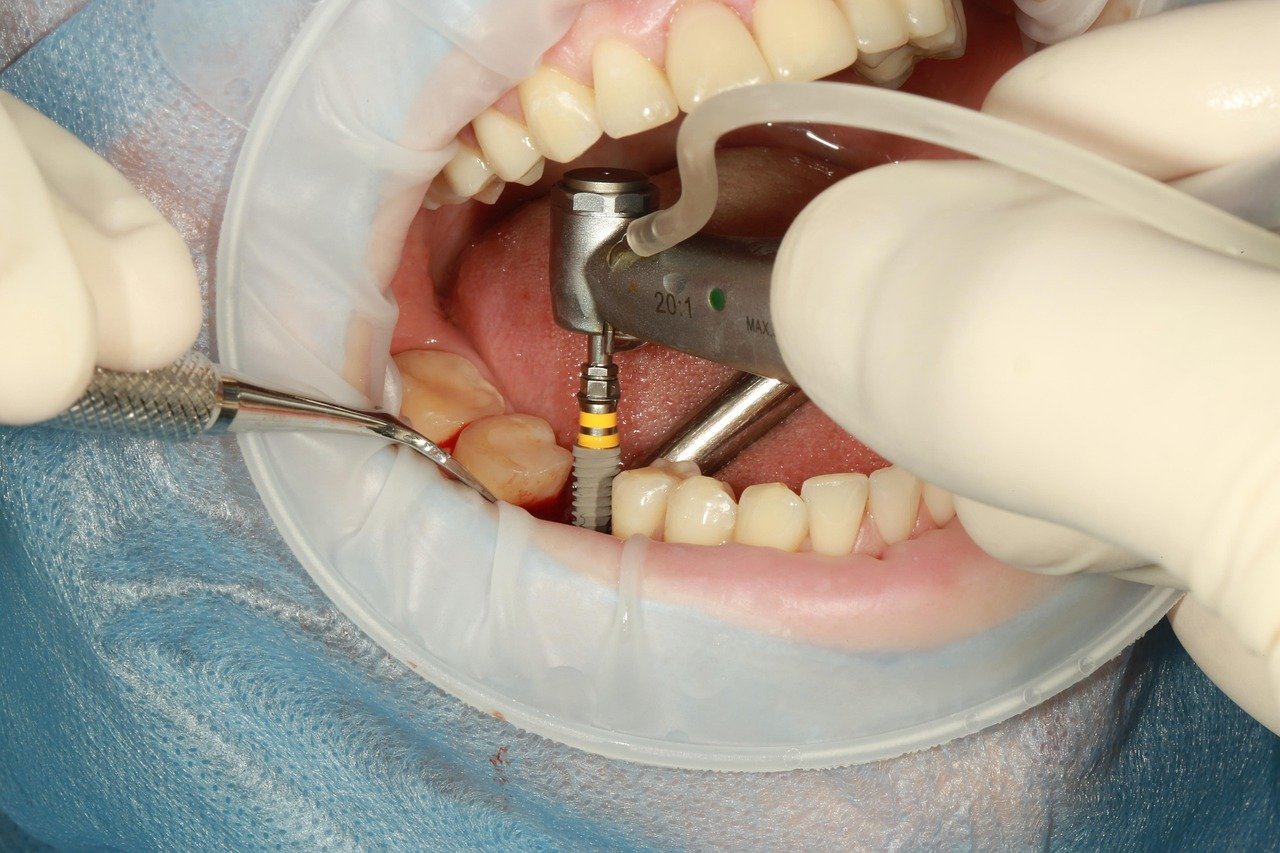
The timeline of Dental Implants involves several steps that ensure long-term success. First comes the consultation, where dental imaging and examinations determine whether the patient is a good candidate. Next is implant surgery, where the implant post is placed in the jawbone. The healing phase, known as osseointegration, allows the implant to bond with bone, creating a strong foundation. Depending on the case, this phase may last a few months. Once healed, the abutment is added, followed by the custom-made crown. Follow-up care ensures everything heals properly and that the implant functions as intended. Each step requires precision, contributing to the overall cost.
Quality, Materials & Performance Review
When evaluating Dental Implants Cost, the quality of the materials significantly influences pricing. Titanium implants are common due to their strength and compatibility with bone. Zirconia implants offer a metal-free option and are valued for their appearance and biocompatibility. The performance of dental implants is one of their greatest strengths—they provide natural chewing ability, remain stable, and rarely require replacement. High-quality implants also reduce the risk of complications, ensuring better long-term results. The choice of materials, combined with professional expertise, directly affects both performance and cost.
Dental Implants Cost Breakdown & Price Factors
The Dental Implants Cost varies widely based on several important factors. The base cost includes the implant post, abutment, and crown. Surgeon fees depend on skill level, experience, and the complexity of the case. Additional charges may apply for bone grafting, sinus lifting, or extraction of damaged teeth. Geographic location influences cost, with urban clinics typically charging more due to overhead expenses. The type of clinic and technology used, such as 3D imaging or advanced surgical equipment, also affect pricing. Insurance coverage may reduce some expenses, although many policies cover only part of the treatment. Understanding these cost factors helps patients prepare for the financial aspects of treatment.
Also Read This:- Lotion for Dry Skin Advice for Deep Hydration, Barrier Repair, and Daily Skin Wellness
Patient Experiences & Real-World Opinions
Many patients report that the Dental Implants procedure is far more comfortable than they expected, especially with modern anesthesia and careful surgical techniques. Healing experiences vary, but most patients feel only mild discomfort that resolves within a few days. When reflecting on cost, many say the long-term benefits justify the investment. Confidence, comfort, and the ability to eat normally again are common praises. Some patients mention wishing they had chosen implants earlier instead of relying on temporary solutions. Positive experiences often highlight the value implants bring to overall quality of life.
Final Thoughts on Dental Implants Cost
The Dental Implants Cost reflects the high-quality materials, detailed procedures, and long-term benefits that make implants one of the most valuable tooth-replacement options. While the upfront cost may be higher than other treatments, the durability, functionality, and natural appearance of implants make them an investment that often pays off for years—or even decades. For patients seeking a permanent, reliable, and aesthetically pleasing solution, dental implants are a choice that delivers exceptional results.
FAQs
Are Dental Implants Cost worth the investment?
Yes, most patients find the long-term value, durability, and comfort worth the price.
Does insurance cover Dental Implants Cost?
Coverage varies, but many plans cover part of the procedure or related services.
How long do dental implants last?
With proper care, implants can last 15–25 years or longer.
What affects the total Dental Implants Cost?
Materials, surgeon expertise, extra procedures, clinic location, and crown type.
Is the dental implant procedure painful?
Most patients report minimal discomfort due to modern anesthesia and techniques.
For More Latest Update oneuppress
