
The concept of function health represents a shift from traditional wellness models toward a data-driven, analytical, and personalized approach to understanding and improving human performance. Its importance in business continues to grow because companies increasingly depend on healthy employees to sustain innovation, productivity, and long-term success. By providing deeper insights into internal health markers, function health gives employees and leaders the clarity they need to make informed decisions and build stronger organizational systems.
Biography of Function Health (Origin & Evolution)
Function health began as a response to a widespread problem: people had access to general wellness advice, but not to detailed, actionable data about their internal health. The founders envisioned a model that blended advanced diagnostic tools with accessible digital experiences. Over time, this concept evolved from a simple wellness idea into a sophisticated ecosystem where biological data meets practical life and business optimization.
As function health expanded, it embraced modern science, precision tracking, and user-centric design. This evolution allowed it to play a broader role not only for individuals but also within the business world, where companies are turning to real health analytics to improve employee well-being, reduce burnout, and strengthen overall workplace culture.
Function Health’s Age and Development Over Time
Function health can be viewed as a young but rapidly maturing concept—metaphorically similar to a rising professional entering a stage of refinement and expertise. Although still relatively new in the digital wellness landscape, it has grown quickly because of its strong scientific foundation and smart use of technology. Over the years, it has developed new features, clearer insights, and more robust analytics that appeal to both individuals and businesses seeking comprehensive health strategies.
What Function Health “Looks Like”
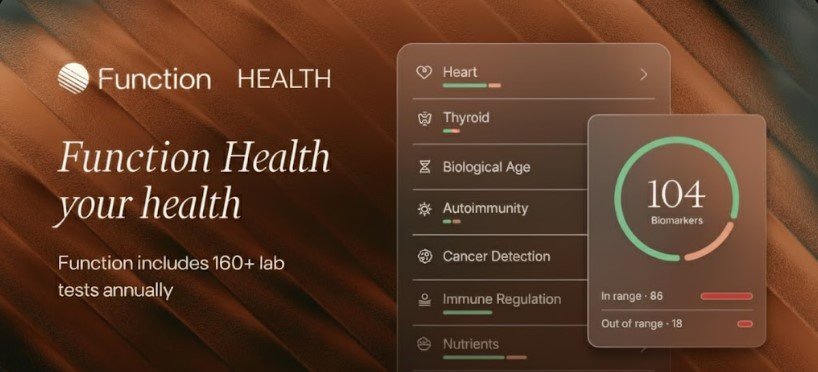
The “appearance” of function health reflects a polished, intuitive design. Its digital platform presents a clean dashboard, smooth navigation, and visually appealing charts that translate complex biological markers into easy-to-understand insights. The interface feels like interacting with a calm, organized professional who prefers clarity over clutter. This thoughtful design helps reduce confusion, making health analytics approachable even for users without medical backgrounds. For businesses, this visual clarity is particularly valuable because leaders and HR teams can quickly grasp workforce trends and act on them effectively.
Also Read This:- Why You Need Full-Service Digital Partners for Oil and Gas
Core Purpose and Mission of Function Health
At its core, function health aims to empower people through knowledge. Its mission revolves around helping individuals understand what is happening beneath the surface—beyond symptoms and guesswork. By gathering precise data and delivering personalized recommendations, function health encourages long-term wellness habits and strategic decisions. In business contexts, this mission translates into stronger corporate cultures, healthier employees, and workplaces that prioritize well-being as a foundational pillar of success.
Key Features That Define Function Health
Function health stands out due to its wide range of analytical tools and wellness components. These often include comprehensive testing panels, detailed biomarker evaluations, lifestyle insights, and personalized improvement strategies. Businesses can use these measurements to track workforce health trends, identify wellness gaps, and create targeted programs. The combination of data visualization, long-term tracking, and personalized insights makes function health a powerful solution for both individual and organizational development.
How Function Health Works in a Business Context
In the workplace, function health becomes a strategic asset. Employers use its analytics to better understand the health patterns affecting performance, absenteeism, and employee engagement. When employees receive personalized assessments, they gain clarity about their physical well-being, stress levels, and lifestyle habits. These insights help businesses design wellness initiatives that truly address the root causes of fatigue, burnout, or productivity dips. Over time, companies that incorporate function health into their culture often experience improved morale, stronger teamwork, and greater operational efficiency.
Function Health’s Relationships and Partnerships
Function health operates within a network of partnerships that broaden its impact. It maintains strong relationships with healthcare professionals, diagnostic labs, data analytics systems, lifestyle coaches, and corporate wellness programs. These partnerships help ensure accuracy, reliability, and personalized care. For businesses, these relationships create a seamless experience—employees receive high-quality testing, data is securely processed, and leaders gain insights that support better decision-making.
Also Read This:- Rightbiz Shop for Sale: The Ultimate Guide to Finding and Buying the Right Shop Business
Benefits of Using Function Health for Professionals & Companies
The benefits of function health extend across multiple levels. For employees, personalized assessments help them understand their body’s signals, reduce health risks, and adopt preventive habits. For companies, improved employee well-being translates into higher productivity, reduced downtime, and stronger workplace loyalty. Function health also supports strategic planning because leaders gain access to real data that highlights stress patterns, nutritional gaps, or lifestyle issues influencing performance. This combination of personal empowerment and organizational insight creates a win-win model for sustainable growth.
Challenges and Limitations
Despite its strengths, function health faces a few challenges. Some users may find the detailed data overwhelming at first, while others may worry about privacy or long-term commitment. Businesses must also ensure that insights are used ethically and responsibly. Additionally, implementing function health at scale may require education and cultural support so employees feel comfortable engaging with health analytics. When companies address these limitations through communication and transparency, adoption becomes smoother and more effective.
Comparisons With Other Health or Analytical Platforms
Function health differs from many traditional wellness programs by focusing on deep diagnostic insights rather than surface-level tracking. Unlike generic fitness apps or step counters, function health analyzes biological markers that reflect long-term internal health. Compared to standard business wellness platforms, it offers more personalized, scientific, and actionable recommendations. This makes it especially valuable for companies seeking comprehensive wellness solutions that go beyond motivational tips and simple activity tracking.
Future Outlook for Function Health
The future of function health is promising, with new technology accelerating its growth. Advancements in AI, real-time data monitoring, and personalized medicine are expanding its capabilities. Businesses may soon integrate function health into daily operations, allowing for continuous wellness support and predictive insights. As workplace culture evolves, organizations will increasingly rely on these sophisticated tools to enhance employee well-being, foster resilience, and stay competitive in fast-changing environments.
Conclusion
Function health is shaping the way we understand performance, wellness, and organizational strength. By blending science, technology, and personalized insight, it empowers individuals to take control of their well-being and helps businesses create healthier, more productive environments. As companies continue to value human performance as a strategic asset, function health stands out as one of the most effective tools for building a thriving workforce and a successful future.
FAQs
What makes function health useful for businesses?
It provides data-driven insights that help improve employee performance, productivity, and well-being.
Is function health difficult for employees to use?
No, its clean and intuitive design makes complex health data easy to understand.
How does function health differ from basic wellness programs?
It uses deeper diagnostic insights instead of surface-level activity tracking.
Can function health improve business decision-making?
Yes, it gives leaders valuable information about workforce health trends that impact performance.
Is function health suitable for small businesses?
Absolutely—its scalable tools support organizations of any size.
For More Latest Update oneuppress
