

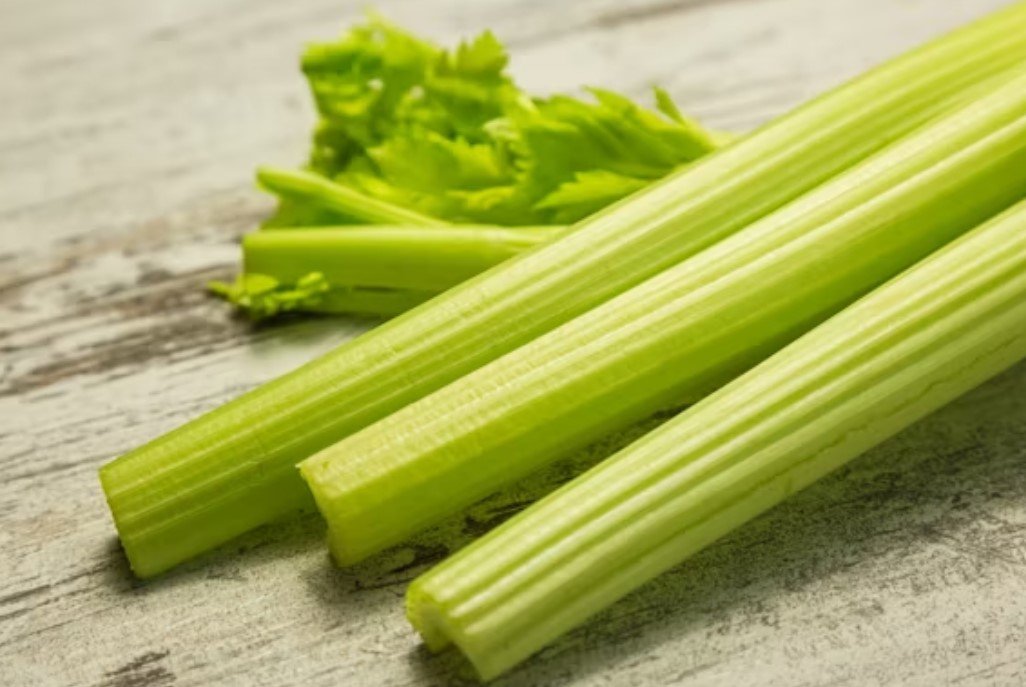
Celery is often seen as just a crunchy snack or a garnish in Western cuisine, but in many Slavic, Balkan, and Mediterranean cultures, it carries a much deeper significance. Known as pravi celer or “true celery,” this whole-plant approach is more than just a vegetable; it’s a symbol of vitality, healing, and tradition. Unlike the standard celery stalks commonly found in supermarkets, pravi celer encompasses the entire plant: stalks, leaves, roots (celeriac), and even seeds. This holistic view connects it to a broader range of health benefits, culinary traditions, and cultural meanings.
In this article, we will explore every aspect of pravi celer—from its botanical distinctions and nutritional profile to its medicinal uses, culinary applications, and cultural importance. You’ll also learn how to grow, harvest, and store it, and why this multifaceted plant deserves a place in your kitchen and wellness routine.
What Exactly is Pravi Celer?
At its core, pravi celer refers to the full, authentic celery plant, not just the stalks that are typically sold in Western markets. While the term “celery” is often associated with crisp, fibrous stalks, pravi celer incorporates the entire plant, including the stalks, leaves, root (celeriac), and seeds, each of which contributes unique flavors, nutrients, and benefits.
The key species in question is Apium graveolens, a versatile plant with two main cultivated varieties:
- Var. dulce: This is the familiar stalk celery, with its long, green, crunchy ribs.
- Var. rapaceum: This variety is grown for its bulbous root, known as celeriac, which has a nutty, earthy flavor.
The integration of both the root, stalks, and leaves provides a richer, more complete nutritional profile than simply focusing on the stalks. This holistic use of the plant is central to the pravi celer tradition in Slavic and Balkan cultures.
The Parts of “True Celery”
Stalks
The stalks of pravi celer are the most recognizable part of the plant. They are crispy, fibrous, and refreshing, making them ideal for eating raw in salads or as a snack. They are also commonly used in soups, stews, and broths. The stalks are a rich source of water, potassium, and fiber.
Leaves
While often overlooked in Western culinary traditions, the leaves of pravi celer play a crucial role in both flavor and nutrition. They have a strong, aromatic taste with a slightly bitter edge. Rich in chlorophyll, antioxidants, and vitamins, celery leaves are often chopped and added to soups, salads, or used as a garnish.
Root (Celeriac)
Celeriac, or celery root, is the bulbous root of Apium graveolens var. rapaceum, and it is a staple in many Balkan, Mediterranean, and Eastern European dishes. It has a starchy, earthy flavor and is used in a variety of ways, including in soups, purées, and mashed dishes. Nutritionally, celeriac is denser than the stalks, providing higher levels of carbohydrates, fiber, and essential minerals like potassium and phosphorus.
Seeds
Celery seeds are small but potent, used in cooking and folk medicine. They have a pungent flavor and are often ground into spice blends, like celery salt, or used in teas. In traditional medicine, celery seeds are known for their diuretic properties, and they are believed to help with detoxification and digestive health.
The Nutritional Benefits of Pravi Celer
Pravi celer is a powerhouse of nutrients that goes far beyond being a low-calorie snack. The nutritional composition of pravi celer varies depending on which part of the plant you consume—stalk, root, or leaves. Here’s a breakdown of what you can expect:
| Nutrient (per 100g) | Stalk Celery | Celeriac Root | Leaves |
|---|---|---|---|
| Calories | 16 kcal | 42 kcal | 34 kcal |
| Carbohydrates | 3 g | 9 g | 5 g |
| Protein | 0.7 g | 1.5 g | 3 g |
| Fiber | 1.6 g | 1.8 g | 2.5 g |
| Vitamin C | 3 mg | 8 mg | 85 mg |
| Vitamin K | 29 µg | 41 µg | 310 µg |
| Potassium | 260 mg | 300 mg | 410 mg |
| Calcium | 40 mg | 43 mg | 100 mg |
As you can see, pravi celer offers a variety of vitamins and minerals. The leaves stand out in terms of vitamin K and vitamin C, which play crucial roles in bone health, immune function, and skin health. Celeriac root, on the other hand, is a great source of carbohydrates and minerals, making it perfect for hearty dishes.
The Health Benefits of Pravi Celer
1. Digestive Support
The fiber content in pravi celer—especially from the stalks and root—helps promote healthy digestion and bowel regularity. Traditional herbalists have long recommended celery in teas or broths to soothe digestive issues. Its natural bitterness also stimulates the secretion of digestive juices, enhancing overall gut health.
2. Anti-inflammatory and Antioxidant Effects
Celery is rich in flavonoids such as apigenin, luteolin, and kaempferol. These compounds act as antioxidants, helping to neutralize harmful free radicals in the body and reducing inflammation. Research suggests that celery’s anti-inflammatory properties may help with conditions like arthritis and other inflammatory disorders.
3. Heart Health
Celery contains phthalides, which are bioactive compounds that help relax the smooth muscles in the walls of blood vessels, leading to lower blood pressure. Coupled with its high potassium content, pravi celer can support cardiovascular health by promoting healthy blood circulation and maintaining normal blood pressure levels.
4. Detoxification
The diuretic properties of celery, particularly its seeds and stalks, make it a popular ingredient in detoxification rituals. By increasing urine production, celery helps flush excess fluids and toxins from the body. While the concept of “detoxing” is debated, mild diuretic effects are well-documented, making pravi celer a valuable part of any cleansing routine.
How to Incorporate Pravi Celer into Your Diet
Raw, Cooked, or Juiced
- Stalks: Enjoy raw in salads or as a crunchy snack, or cook them in soups and stews.
- Leaves: Chop and add raw to salads or garnish dishes.
- Celeriac Root: Grate raw for a fresh salad (like remoulade), or roast, mash, or boil for a hearty side dish.
- Juice: Combine stalks, leaves, and roots for a balanced green juice.
Recipe Ideas
- Balkan Soups: Traditional soups often incorporate both stalks and roots of celery, creating a rich, comforting dish.
- Celeriac Purée: A creamy, buttery mash of celeriac root is a delightful accompaniment to meats or as a standalone dish.
- Celery-Leaf Broth: Make a fragrant, herbal broth by infusing celery leaves in hot water.
Growing and Harvesting Pravi Celer
Growing pravi celer requires patience, as celery has a long maturation period. However, it is a rewarding crop for gardeners, offering multiple uses from one plant. Here are some tips for growing celery successfully:
- Ideal Conditions: Celery thrives in rich, moist soil with high organic content and a temperate climate.
- Transplanting: Start seeds indoors 8–10 weeks before the last frost. Transplant when seedlings are sturdy and after the last frost.
- Watering: Celery needs consistent moisture, especially during dry periods, to prevent bitterness and stringiness.
- Harvesting: Stalks can be cut as needed, while celeriac root is typically harvested in autumn after 100–120 days.
Storing and Preserving Pravi Celer
- Stalks: Refrigerate wrapped in a damp cloth to maintain freshness.
- Root: Store in sand or a root cellar for longer shelf life.
- Leaves: Freeze chopped leaves or dry them for seasoning.
Cultural and Symbolic Significance of Pravi Celer
In many cultures, pravi celer holds symbolic meaning, especially in the Balkan and Mediterranean regions. Celery has been historically used in folk medicine, symbolizing fertility, vitality, and renewal. In ancient Greece, celery was believed to have aphrodisiac properties, and its use continued in European folk remedies for its diuretic and blood-purifying qualities.
Celery’s upright stalks have also been associated with virility and rejuvenation, with folkloric stories linking the plant to renewal in both a physical and spiritual sense.
Conclusion
Pravi celer is more than just a vegetable—it’s a traditional, holistic food with a rich history of culinary and medicinal uses. Whether you’re interested in its nutritional benefits, cultural significance, or simply looking to add some variety to your meals, pravi celer is a versatile and nutritious plant that deserves a place in every kitchen. By embracing the whole plant—from stalk to root—you can unlock the full potential of this remarkable food.
For more information on integrating healthy foods into your diet, visit our blog’s food category, where we explore the benefits of various ingredients and cooking techniques.
Frequently Asked Questions
What does “pravi celer” mean?
Pravi celer means “true celery,” referring to the whole celery plant, including the stalks, leaves, roots (celeriac), and seeds.
Is celeriac part of pravi celer?
Yes, celeriac (celery root) is an integral part of pravi celer, alongside the stalks and leaves.
How do I use pravi celer in cooking?
You can use stalks in salads or soups, leaves as a garnish, and celeriac root in mashed or roasted dishes.
Can pravi celer help lower blood pressure?
Yes, celery contains compounds like phthalides that may help relax blood vessels, potentially supporting healthy blood pressure.
Where can I buy pravi celer?
Look for fresh celery in local farmers’ markets or specialty stores that offer whole celery plants, or grow your own for the best results.
