

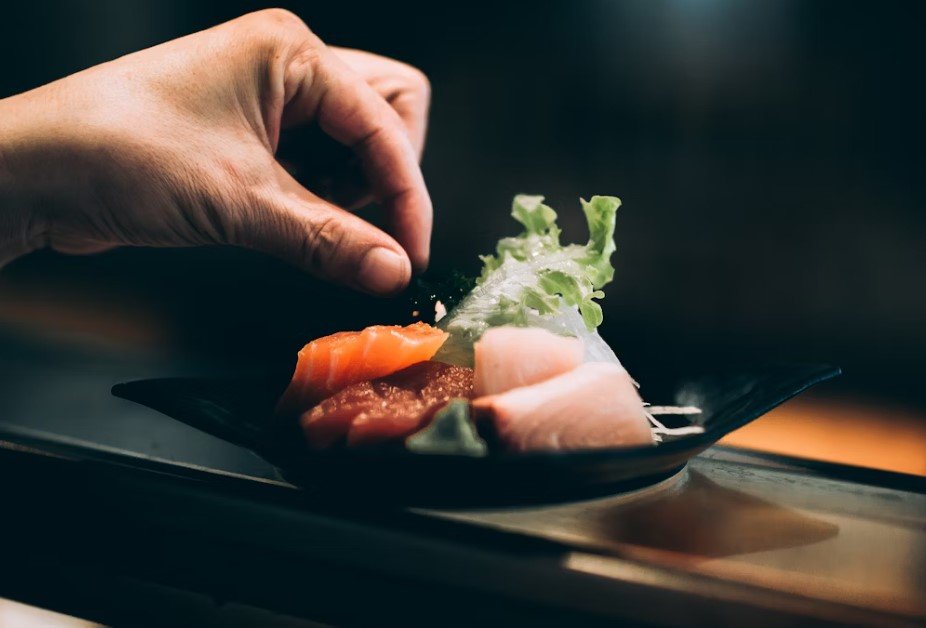
Soutaipasu is not just a dish—it’s an experience. This extraordinary culinary creation captivates the senses, weaving together an intricate tapestry of flavors, textures, and aromas. Its unique profile makes it an unforgettable adventure for food enthusiasts, offering something for both seasoned gourmands and curious novices. In this article, we dive deep into the essence of soutaipasu, its history, preparation, cultural significance, and much more.
What is Soutaipasu?
Soutaipasu is a distinctive dish that boasts a mesmerizing combination of flavors, from sweet and savory to spicy and tangy. It’s often prepared using locally sourced ingredients, with various spices, herbs, and sometimes even fruits and nuts adding to its richness. This unique profile makes it a celebration of culinary creativity, offering a multi-dimensional experience that engages both the palate and the mind.
The Meaning and Cultural Significance of Soutaipasu
Soutaipasu is more than just a dish; it represents a blend of tradition and innovation. Its origins lie in a small region, where local culinary traditions and time-honored techniques were passed down through generations. Over the years, soutaipasu has evolved, incorporating diverse flavors and influences from other cultures.
At its core, soutaipasu symbolizes cultural heritage, with each preparation method reflecting the region’s history and local resources. It is often served during festive occasions, signifying unity, tradition, and creativity. In today’s culinary world, chefs experiment with soutaipasu, adding a modern twist while maintaining its deep-rooted connection to cultural authenticity.
The Origins and Evolution of Soutaipasu
A Journey Through Time
The origins of soutaipasu trace back centuries to a region renowned for its vibrant culinary traditions. Local farmers and artisans, using the best seasonal ingredients, began creating dishes that combined spices, herbs, and meats in unique ways. Soutaipasu, with its distinct blend of tastes, gradually became a symbol of the community’s collective identity.
Over the years, cultural exchanges through trade and migration contributed to the evolution of soutaipasu. These interactions introduced new flavors, techniques, and ideas, which were embraced and woven into the fabric of the dish. Each generation added their touch, evolving soutaipasu into the version we recognize today.
Why is Soutaipasu Unique?
Soutaipasu’s uniqueness lies in the delicate balance of flavors and textures it offers. Its preparation requires a deep understanding of how spices interact and how the right cooking methods can enhance their inherent qualities. Unlike other dishes, soutaipasu invites creativity and experimentation, offering endless variations. Whether grilled, stewed, or slow-cooked, soutaipasu’s versatility allows chefs to adapt the dish to modern palates while preserving its essence.
In addition, the combination of sweet, savory, and spicy notes in soutaipasu creates an enigmatic experience. The dish is never static, and each bite brings forth new nuances, making it an exciting choice for those seeking an adventurous culinary journey.
How is Soutaipasu Prepared?
Traditional and Modern Methods
Preparing soutaipasu is an art that blends traditional techniques with contemporary cooking methods. The process often begins with carefully selecting fresh, high-quality ingredients, such as meats, vegetables, herbs, and spices. The key to an exceptional soutaipasu is slow-cooking, which allows the ingredients to meld and develop deep, complex flavors.
Slow-cooking is essential for extracting the natural sweetness of vegetables or the richness of meats. Additionally, the use of spices like cumin, coriander, and cardamom adds layers of warmth and complexity. Some variations of soutaipasu may include unexpected additions such as fruits or nuts, which contribute a unique contrast to the savory base.
Experimentation and Creativity
What makes soutaipasu particularly exciting is the room it leaves for creativity. Chefs often experiment with different ingredients, cooking techniques, and even presentation methods. While traditional recipes remain a cornerstone, there is no one “right” way to prepare soutaipasu, making it a dish that constantly evolves.
Whether incorporated into gourmet dishes at fine-dining restaurants or reimagined by home cooks in everyday meals, soutaipasu offers endless possibilities for culinary exploration.
Health Benefits of Soutaipasu
Aside from its enticing flavors, soutaipasu offers a range of health benefits. The dish is typically packed with essential nutrients that contribute to overall well-being. Fresh vegetables, lean meats, and aromatic spices such as turmeric and garlic have long been associated with health-promoting properties.
Boosting Immunity
The spices used in soutaipasu—particularly turmeric, ginger, and garlic—are known for their anti-inflammatory and immune-boosting effects. These ingredients help fight infections, promote digestion, and even support heart health.
Promoting Digestion
Many of the ingredients in soutaipasu, like cumin and coriander, are also revered for their ability to improve digestion. The slow-cooking process further enhances the bioavailability of nutrients, making them easier for the body to absorb.
Authenticity and Availability
Soutaipasu’s authenticity is often tied to its regional roots. The dish showcases local ingredients, many of which are unique to specific areas. While it’s possible to find versions of soutaipasu in international restaurants, the most authentic experiences are often found in traditional eateries or when prepared by skilled home cooks familiar with its heritage.
In some regions, soutaipasu is available year-round, but in others, it might be a seasonal specialty. This scarcity adds to the dish’s allure, turning it into a sought-after treat for culinary enthusiasts.
Incorporating Soutaipasu into Your Daily Meals
One of the most appealing aspects of soutaipasu is its versatility. It can seamlessly fit into various meals, whether you’re preparing a casual weeknight dinner or hosting a festive gathering. Here are a few ways you can incorporate soutaipasu into your everyday diet:
- Pair it with Grilled Meats: The complex flavors of soutaipasu enhance grilled meats, providing a smoky contrast to the richness of the protein.
- Add it to Stir-Fries: Use soutaipasu as a base for stir-fries, adding depth to vegetables and proteins.
- Incorporate it into Stews: The slow-cooked nature of soutaipasu makes it a perfect ingredient for stews, where it can infuse its flavors into the broth.
- Pair with Fresh Salads: A lighter variation of soutaipasu can be paired with fresh salads, adding a warm, comforting note to the meal.
A Culinary Twist
Feel free to experiment with soutaipasu in your home kitchen. Its adaptability makes it easy to incorporate into a variety of cuisines, from Mediterranean to Asian fusion. By combining it with different cooking techniques and ingredients, you can craft your own unique version of soutaipasu that reflects your culinary creativity.
Misconceptions and Criticisms
Despite its rich history and flavorful potential, soutaipasu is sometimes misunderstood. Some critics view it as too exotic or complex, believing it lacks the familiarity needed for mainstream appeal. However, these perceptions often stem from a lack of understanding of the dish’s cultural roots and culinary versatility.
For those open to culinary exploration, soutaipasu offers a unique opportunity to engage with flavors that challenge conventional tastes. It’s not a dish for the faint-hearted, but rather for those willing to step outside their comfort zones and experience something truly special.
Soutaipasu in the Modern Culinary World
Embracing Tradition with Innovation
Today, soutaipasu is more than just a traditional dish—it’s a tool for culinary innovation. Chefs are incorporating soutaipasu into modern fusion dishes, experimenting with global influences while staying true to its roots. This blending of tradition and innovation allows soutaipasu to remain relevant in contemporary dining, appealing to food lovers from all walks of life.
Popularity in Global Markets
As global palates continue to merge, soutaipasu is gaining traction in markets around the world. Its rich history and bold flavors have caught the attention of chefs and home cooks alike, who are eager to incorporate its unique profile into their menus. From fine dining to street food, soutaipasu is carving out a place for itself in the global culinary scene.
Conclusion
Soutaipasu is not just a dish—it’s an invitation to explore new flavors, techniques, and cultures. With its rich history, versatile preparation methods, and health benefits, it’s a culinary gem that continues to inspire chefs and food lovers alike. Whether you’re savoring it in its traditional form or experimenting with modern twists, soutaipasu is sure to leave a lasting impression on your taste buds and your heart.
FAQs
- What are the key ingredients in soutaipasu?
- The key ingredients in soutaipasu typically include meats, vegetables, and a mix of spices such as cumin, coriander, garlic, and turmeric. Some variations may also incorporate fruits or nuts.
- How can I prepare soutaipasu at home?
- To prepare soutaipasu, focus on selecting fresh, high-quality ingredients. Slow-cook the dish with spices, allowing the flavors to meld together. You can experiment with different meats, vegetables, and herbs to personalize the dish.
- What are the health benefits of soutaipasu?
- Soutaipasu offers a range of health benefits, including boosting immunity, improving digestion, and promoting heart health due to its nutrient-rich ingredients.
- Can I find soutaipasu outside its region of origin?
- While soutaipasu is most authentic in its region of origin, many international restaurants and home cooks experiment with the dish, making it more accessible to a global audience.
- Is soutaipasu suitable for special occasions?
- Yes! Soutaipasu is often served during festive occasions and is perfect for special gatherings due to its rich flavors and cultural significance.
For More Latest Update oneuppress
