

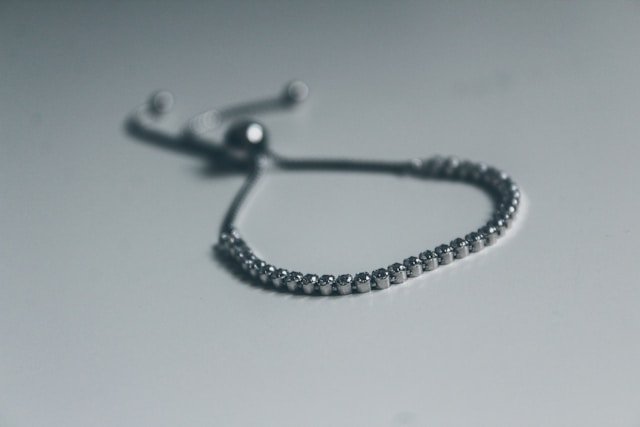
A Tennis Bracelet is one of the most admired jewelry pieces in the world, known for its refined sparkle, delicate structure, and timeless appeal. Whether worn daily or reserved for special occasions, this bracelet brings effortless elegance to any outfit. Its versatility, rich history, and luxurious craftsmanship make it a beloved accessory among jewelry enthusiasts, collectors, and modern fashion lovers.
History and “Biography” of the Tennis Bracelet
The story of the Tennis Bracelet began long before it acquired its famous modern name. Originally known as an “eternity bracelet” or “line bracelet,” its design was defined by a continuous row of diamond arranged in a symmetrical pattern. This clean, refined layout was popular throughout the mid-20th century and often associated with elegance and luxury.
The bracelet gained worldwide recognition during the 1987 U.S. Open, when tennis star Chris Evert lost her diamond bracelet mid-match. She requested the game be paused until it was found. The moment went viral in sports history and transformed the accessory into what we now call a “tennis bracelet.” From that point on, this piece became synonymous with both beauty and durability — stylish enough for everyday wear yet secure enough for active lifestyles. Its “biography” showcases how a simple accessory captured global attention and evolved into a timeless symbol of refined fashion.
Age and Evolution of the Tennis Bracelet Trend
Although diamond line bracelets have existed for decades, the Tennis Bracelet experienced a major evolution following its rise to fame in the 1980s. Earlier versions were often stiff and reserved for formal occasions. Over time, bracelet designs became more flexible, durable, and subtle, making them suitable for everyday use.
In the 2000s and 2010s, the tennis bracelet reemerged as a popular fashion staple thanks to minimalist jewelry trends. Today, both traditional and contemporary versions are appreciated — from ultra-thin designs worn for subtle sparkle to bold multi-row versions that deliver dramatic brilliance. The style continues to evolve, blending classic glamour with modern simplicity, ensuring relevance across all generations.
Also Read This:- patek philippe aquanaut: Exploring Design, Features, and Value
Physical Appearance and Key Design Characteristics
The elegance of a Tennis Bracelet lies in its sleek, symmetrical line of stones that encircle the wrist in a fluid, continuous pattern. Each stone — typically diamond or gemstone — is set individually but connected through flexible links, giving the bracelet its signature movement and shimmer.
Key characteristics include:
- Perfectly aligned stones for balanced, uniform sparkle
- Secure settings such as prong, bezel, or channel
- Thin, flexible structure that contours naturally to the wrist
- Polished metals that complement the brilliance of the stones
- Light-catching surfaces that provide refined radiance
Color options range from classic white diamonds to vibrant sapphires, rubies, emeralds, and multi-color combinations. Whether minimalistic or luxurious, the tennis bracelet’s physical appearance embodies sophistication and harmony.
Materials, Stones, and Metal Types Used
High-quality materials are essential to the beauty and durability of a Tennis Bracelet. Diamonds remain the most popular choice, prized for brilliance and clarity. Many designs feature round brilliant cuts, though princess, emerald, and oval cuts are also used to create unique aesthetics.
Common metal options include:
- 14K or 18K gold in yellow, white, or rose tones
- Platinum for premium durability and shine
- Sterling silver for lightweight affordability
Gemstone versions offer more colorful options, featuring sapphire, ruby, emerald, morganite, or lab-grown stones. The combination of sparkling stones and high-quality metal results in a bracelet that feels both luxurious and timeless.
Craftsmanship and Jewelry-Making Techniques
The creation of a Tennis Bracelet demands meticulous craftsmanship. Each gemstone is carefully selected for uniform color, clarity, and size before being placed into a secure setting. Jewelers align the stones with precision to ensure consistent sparkle across the entire bracelet.
Craftsmanship techniques include:
- Hand-setting stones into prongs or channels
- Aligning links for smooth flexibility
- Polishing metal surfaces for a refined finish
- Adding safety clasps to ensure secure wear
- Quality-checking each joint for durability
Because the bracelet must be flexible yet strong, craftsmanship plays a crucial role. A well-made tennis bracelet can last generations and maintain its shine beautifully over time.
Styles and Variations of Tennis Bracelets
One of the most appealing aspects of the Tennis Bracelet is its wide range of styles. Jewelry designers continue to reinvent this classic piece to offer modern options.
Popular variations include:
- Single-row designs for subtle elegance
- Multi-row diamond bracelets for bold, red-carpet sparkle
- Mixed gemstone bracelets for vibrant sophistication
- Baguette-cut diamond versions for architectural beauty
- Chunky statement bracelets for fashion-forward appeal
- Thin minimalist bracelets ideal for stacking
Different design options allow wearers to choose between understated grace and dramatic luxury, depending on personal style.
How the Tennis Bracelet Compares to Other Bracelet Styles (Relations)
In the world of jewelry, the Tennis Bracelet stands out for its delicate yet luxurious design. Compared to bangle bracelets, it is more flexible and comfortable for long wear. Unlike charm bracelets, which are playful and expressive, the tennis bracelet offers a sleek, unified aesthetic.
Chain bracelets provide a casual look, while cuffs offer bold statement style. The tennis bracelet, however, relates to both casual and formal settings, making it one of the most adaptable bracelet styles. Its simplicity allows it to blend seamlessly with watches, gold bangles, or other layered accessories.
Outfit Pairings and Fashion Relations
One reason the Tennis Bracelet remains so popular is its ability to pair effortlessly with almost any outfit. It adds a touch of sparkle without overpowering your look.
Popular styling relations include:
- Wearing with a watch for a refined jewelry stack
- Pairing with cocktail dresses for formal events
- Adding elegance to everyday outfits like blouses and denim
- Complementing bridal gowns for radiant wedding style
- Layering with other bracelets for a modern, stacked look
The tennis bracelet’s versatility makes it a year-round essential, whether dressing casually or preparing for a glamorous event.
Cultural Impact and Celebrity Influence
Celebrities and public figures have played a major role in the lasting popularity of the Tennis Bracelet. From red-carpet events to magazine covers, the bracelet has appeared alongside countless style icons. Its subtle sparkle makes it a favorite among actresses, musicians, and influencers who appreciate understated luxury.
The bracelet frequently appears in movies, fashion spreads, and televised award shows, which reinforces its cultural presence. Its association with elegance, grace, and sophistication keeps it firmly rooted in modern jewelry culture.
Durability, Maintenance, and Everyday Practicality
A well-crafted Tennis Bracelet is designed for both elegance and practicality. With proper care, it can last many years. Because each link moves independently, the bracelet flexes comfortably with wrist motion.
To maintain its beauty:
- Clean regularly with mild soap and soft cloth
- Avoid harsh chemicals or abrasive materials
- Check clasps periodically for secure wear
- Store in a jewelry box or soft pouch to prevent scratches
Modern designs often include double-locking clasps, ensuring the bracelet stays secure even during active use. Its durability makes it ideal for daily wear — just as its origin name suggests.
Also Read This:- Rhode Blush: Complete Guide to Colors, Wear & Skin Compatibility
Pricing, Value, and What Affects Cost
The cost of a Tennis Bracelet varies based on factors like stone quality, carat weight, metal type, and craftsmanship. Diamond bracelets tend to be more expensive, especially those with high clarity and color grades. Gemstone bracelets are more affordable and equally elegant.
Factors affecting pricing include:
- Stone cut and brilliance
- Metal type (gold vs. platinum)
- Weight and number of stones
- Artisan craftsmanship
- Brand or designer reputation
A well-chosen tennis bracelet retains its value over time, making it both a fashion accessory and a meaningful personal investment.
Conclusion
The Tennis Bracelet remains a cherished symbol of elegance, beauty, and refined jewelry craftsmanship. Its rich history, versatile styling, and sparkling simplicity make it an essential accessory for modern jewelry lovers. Whether gifted as a milestone piece, worn daily for subtle sparkle, or chosen as a luxurious statement, the tennis bracelet continues to shine across generations. Its timeless charm proves that true elegance never fades.
FAQs
Can a tennis bracelet be worn daily?
Yes, most are designed for everyday comfort with secure clasps and flexible links.
Are diamond tennis bracelets expensive?
They can be, depending on stone quality and metal type, but gemstone and lab-grown options offer budget-friendly choices.
What makes a tennis bracelet different from other bracelets?
Its continuous line of evenly spaced stones creates a distinct, refined sparkle.
How should I clean my tennis bracelet?
Use mild soap, warm water, and a soft brush or cloth to maintain shine.
Do tennis bracelets hold their value?
High-quality versions, especially diamond ones, often retain significant value over time.
For More Latest Update oneuppress
