

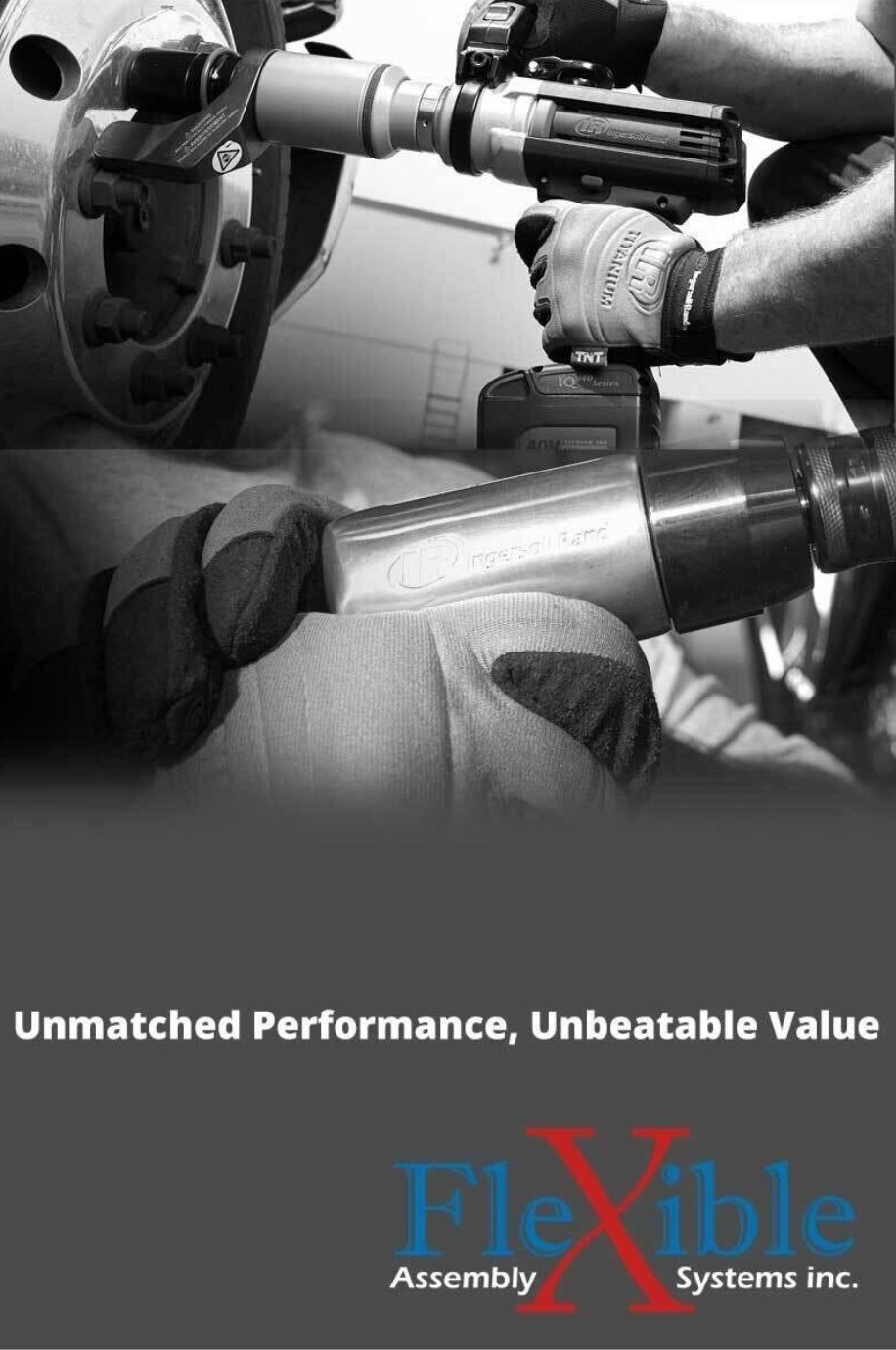
A solid joint holds parts firm under load. Heavy torque jobs demand a tool that stands up to metal stress and high twist. A corded impact wrench draws power from the wall. A cordless impact wrench taps battery energy. Which one fits your floor plan and crew style? We break down each tool on power output, cycle pace, run span, upkeep load, cost and human ease. By the end you can choose the right wrench for your next heavy torque job.
Why torque tool choice matters?
A loose bolt can cost an entire assembly line. A stripped head can halt production and raise scrap count. When crews work on engines or steel frames they need power that meets spec on each pass. A mismatched tool brings code failure and risk of part shift under load. You need a tool that fits your torque band and feed pace with no pause.
A wrong choice hammers test crews with added wrench weight. Workers find it hard to meet shift targets when wrist strain sets in. A proper tool that ties torque spec to part trace keeps both output and quality on plan. Let’s unpack each wrench style so you can chart a payback path for your next tool buy.
What is an impact wrench?
An impact wrench marries an anvil and hammer in a sealed case. A motor spins the hammer cam at high speed. When it locks onto the anvil the hammer snaps free in rapid taps. That sequence delivers bursts of torque far above a motor’s steady output.
Key traits of corded impact wrenches
- High torque output up to 1 500 Nm or more
- Power source: AC motor fed by wall plug
- Constant power with no battery drop
- Heavy build but stable under hard loads
- Lower active cost per shift once unit sits live
A corded wrench shines in a bay with a fixed drop point and large torque targets. An operator plugs in at the start of shift and runs tool on each heavy bolt. No need to swap battery packs. No risk of run out mid-fastener. A setup like this fits high-volume jobs where a fixed post makes sense.
Pros and cons of corded impact wrench
Pros
- Steady torque on high-torque tasks
- No downtime for battery swap
- Lower per-unit cost than battery packs
Cons
- Cord restricts reach and can snag
- AC feed means fixed station use only
- Heft of motor adds wrist load
An AC motor sits at the heart of these wrenches. That motor can hold power levels that dwarf most battery packs. As long as you have a 110 V or 230 V feed you can tap heavy torque. A line that sees 200 to 500 joints per shift can take advantage of that steady feed. Just plan your floor drop points and cord layout to avoid trip or snag hazards.
What is a cordless impact wrench?
A cordless impact wrench runs on a rechargeable lithium-ion pack. You dock the battery at the base of the handle. A brushless motor drives a hammer cam and anvil sequence much like its corded peer. The main difference lies in power delivery and run span.
Key traits of cordless impact wrenches
- Torque output up to 1 000 Nm in pro models
- Battery packs from 5 Ah to 12 Ah at 18 V or 20 V
- No cord means full 360° reach
- Lighter in some models but may suffer bolt-on pack weight
- LED job light and speed/fwd-rev dial on many tools
Battery tech has evolved fast. Modern cells deliver more torque per gram than ever before. You find packs rated to 6 000 mAh at 18 V that power up to 500 Nm of torque on high-load runs. A quick swap system cuts pause to under 10 seconds when a pack nears flat.
Pros and cons of cordless impact wrench
Pros
- Full reach with zero cord drag
- Portability to multiple stations
- Quick pack swap on long runs
Cons
- Risk of pack drop-off on heavy torque
- Run span limited by pack capacity
- Higher kit cost with spare packs
For floors that shift tasks from bay to bay a cordless model brings unmatched flexibility. Techs take one kit from weld cell to paint cell to final test. A pack switch keeps all tools live through a full shift. For mid-level torque tasks this tool can match corded output once you size packs right.
Torque output and performance
Torque stands at the center of heavy bolt work. Too low and joint fails. Too high and threads strip or parts crack. You need both a max torque number and a repeatable torque curve.
Corded torque wrenches deliver peak output on demand. A 2 000 W motor spins at a set speed no matter the load. The impact mechanism kicks torque pulses into the joint. Performance stays flat until you slug down on the motor or trip the breaker.
Cordless tools peak below most corded units but keep pace for common torque bands. A 20 V kit with a 5 Ah pack can spin a hammer motor at top rev until the pack hits 20 percent left. At pack low the motor management steps down current. Peak torque drops off but a stable curve remains.
Key torque specs to check
- Stall torque: max torque before tool stops
- No-load speed: idle rev on motor
- Impacts per minute: pulse rate in joint
- Clutch or auto-stop mode: slip system on some models
If your joint spec sits at 400 Nm a 600 Nm stall torque tool works fine. If you push up above 1 000 Nm corded wizardry rules. Match your joint chart to your spec range to nail tool selection.
Speed and cycle time
Cycle time ranks second after torque output in heavy bolt work. Each pass adds up on a line that sees thousands of joints per shift. A one-second gain per bolt yields minutes of saved time.
A corded wrench fires at a fixed speed on high-load runs. A typical pro tool nails 1 800 rpm no-load. Under load the pulse rate holds until torque climbs near stall. A tech can clear ten M12 bolts in under two minutes on a single feed.
A cordless model fires at a similar pulse rate but may dip as battery drains. You can set a higher speed mode for fast removal or a low speed for final set. At high mode some kits hit 2 200 rpm so they offset pack sag with initial burst.
Cycle-time tweak tips
- Use high-speed mode for removal work
- Switch to low speed for final torque on large joints
- Keep pack temp above 5 °C for steady output
- Preheat battery in cold bays to avoid voltage cut
On a line that sees mixed bolt sizes techs may switch speeds twice per unit. Work pace remains high if pack swap and tool swap flow with no pause. If you mount a corded unit on an arm and feed it from a feeder a tech can march down a rack of joints with no cycle break.
Power source and run span
Corded wizards run off AC power. You plug in at a central drop point or feed from a rail system. The line must route sockets and cords. A well laid out cord grid avoids trip risk and keeps tool in hand.
Cordless packs carry just so much energy. A 5 Ah pack at 18 V holds 90 Wh of energy. A heavy torque pass draws up to 500 W. That pack can handle 10 to 15 heavy passes per charge. If you swap in a 10 Ah pack you double that run span to 20–30 passes.
Key pack factors
- Voltage: 18 V vs 20 V vs higher
- Amp-hour: run span per pack
- Charge time: rapid charger vs slow charger
- Weight: trade-off between capacity and hand strain
For a bay that sees 500–1 000 joints per shift you may need two packs per tech and a set of spares. Rack your chargers at each lane to cut swap time. For a fixed-station cell a corded setup avoids pack logistics and keeps torque steady.
Maintenance and service load
A power tool represents both a hurdle and an asset on a heavy line. Downtime for a tool can mean idle crew and missed targets. You must plan both routine service and swap stock.
Corded wrenches need brush changes or motor service once per 2 000 hours. Impact mechanism can wear after heavy duty run. A drop test and torque check every month keeps tools at spec.
Cordless models need pack service too. A cell pack has a 500-cycle life. After that capacity dips by 20 percent. Chargers can fail or go out of voltage range. A pack log on your tool data panel can signal each swap.
Key service tasks
- Monthly torque audit at bench
- Quarter-hour visual check on impact head
- Weekly pack voltage test at idle
- Spare motor and pack kit at repair shelf
A plan that pulls a tool out for a quick head swap and packs out a spare kit can cut downtime to under five minutes per event. Both tool types run lean with a kit kit and clear swap steps.
Operator strain and safety
A heavy wrench can tire a tech in ten minutes. Fatigue warps wrist control and invites error. A torque arm can hold corded or cordless tools with no hand load beyond guiding.
Operators stand steady when a balanced arm carries weight. They guide a joint with a fingertip. They fetch a socket in the other hand. They remain alert and precise for a full shift.
Safety check list
- Torque arm with quick-attach collar
- Anti-rotate hook to catch tool drop
- Feeder rail to align sockets and fasteners
- Light tower that flags open hand hazard
A safety protocol that ties tool lock to part sequence can stop a tool at the wrong joint. A feeder that lines up sockets in one path and fasteners in another cuts hand crossover and pinch hazard.
Cost and return on investment
A cost model must count initial kit price, service load and human hours saved per shift. A corded wrench may cost 300to500. A cordless kit with two packs and a rapid charger can run 800to1 200.
Factor in service parts and torque arm or feeder if you tie tool to an assembly cell. A torque arm adds 500to1 000. A motor service kit runs 50to100 per year. A pack cycle fits under $100 per pack per year after warranty.
Savings pathway
- Map your joint count per shift
- Calculate time saved per wrench cycle
- Factor in service hours and downtime
- Compare to human wage per hour
A tool that slashes five seconds per joint on 1 000 joints per shift saves 5 000 seconds or 83 minutes. At 30perhourwagethatdropsaves42 per shift. Over 250 shifts a year that module pays for itself and more.
Integration with assembly flow
A heavy torque station rarely lives alone. It joins a control network that logs each joint torque and part ID. A panel shows torque value in real time. A feeder arms rack up sockets and fasteners at one port. A light stack flags tool lock or dry line.
Core integration steps
- Fit a torque controller with part ID scan
- Mount a tool station with arm and feeder
- Link data line to MES or ERP
- Set alarm on mis-torque event
A station that logs each joint in a batch record can feed quality and maintenance teams. A wonky tool that slips or stalls gets flagged for service. A missed pick or wrong socket shows in the data log before a part leaves the bay.
Why Choose Flexible Assembly Systems?
Flexible Assembly Systems offers both tool kits and cell design that match your part mix and torque spec. Our kit pairs corded and cordless tools with arms and feeders. You gain full torque trace, part pick count and error-flag alarm on each pass.
Our promise
- Custom cell layout for floor space fit
- On-site demo with your own tools and parts
- Spare kit pool for zero-pause swap
- Weekly service plan and torque audit
- Data link to your network with ready API
We deliver tools that meet your torque chart and feed your data vault. You see cycle gains in hours, not days. You slash scrap and torque error. You run a lean cell with no wrist strain and no part hunt pause.
Next steps
- Map your heavy joint chart
- Call our team for a pilot demo
- Fit one corded and one cordless kit
- Track cycle time and error count
- Roll cell across parallel lanes
No more torque guesswork. No more pack-down surprise. No more cord snag. Just torque spec met on each heavy joint and a data log you can trust. Reach out today to drive a safer, faster cell that meets your targets.
